About this landmark
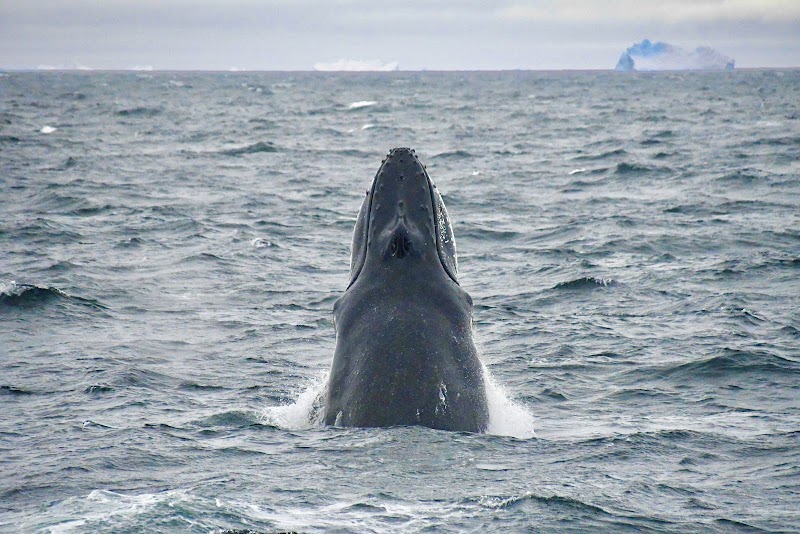
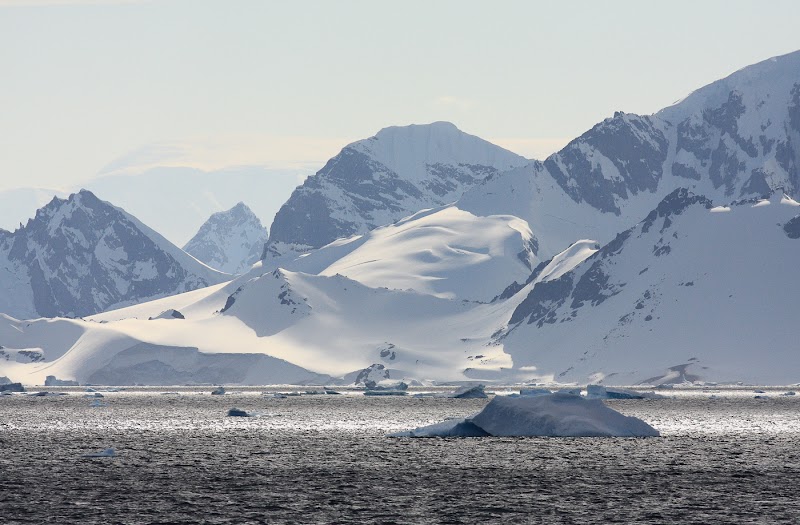
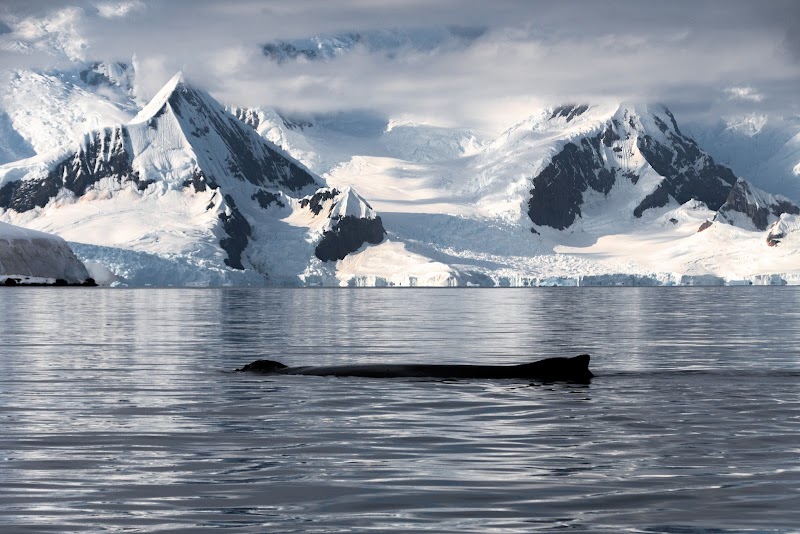
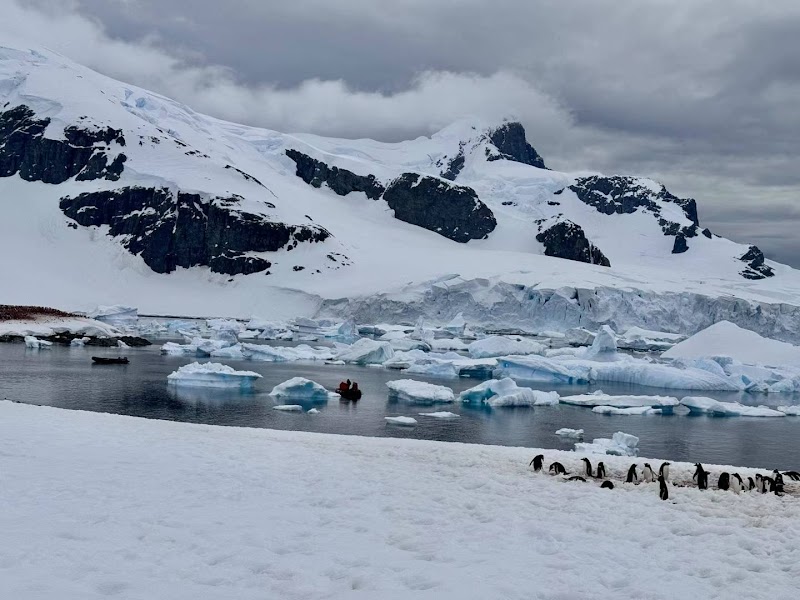
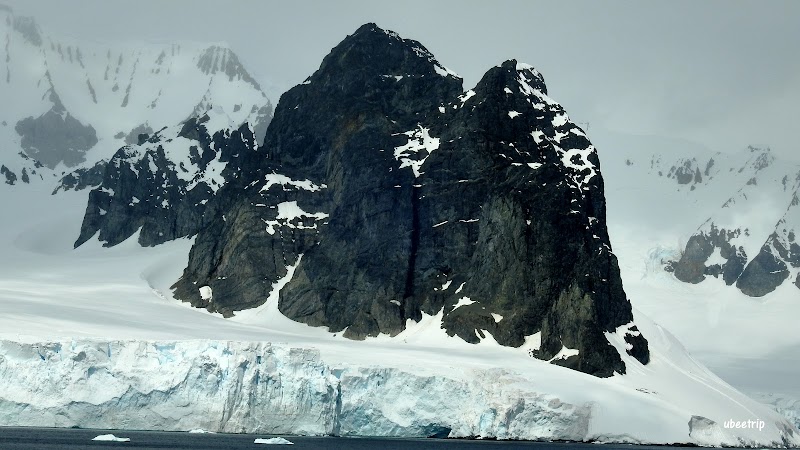
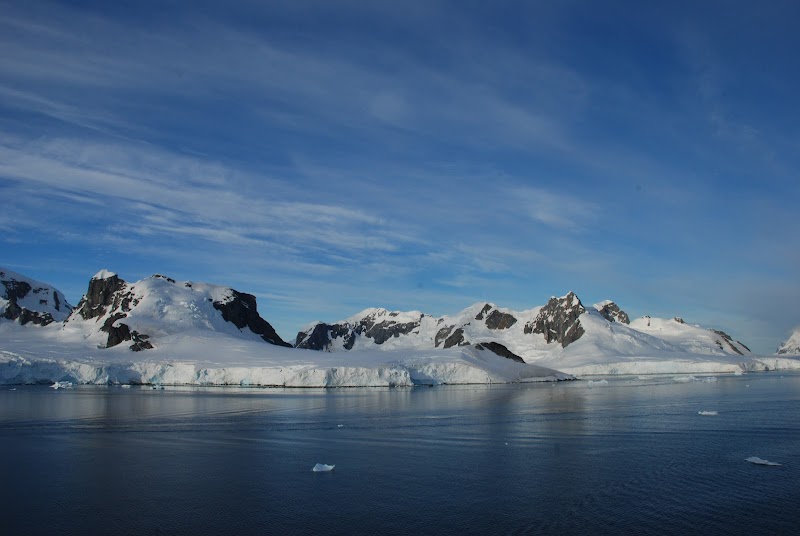
Located in the heart of the icy wilderness of Antarctica, the Gerlache Strait is a captivating expanse of water that weaves through towering, rugged cliffs and sparkling glaciers. Positioned between the Palmer Archipelago and the Antarctic Peninsula, this pristine landmark showcases stark, breathtaking landscapes and abundant wildlife, making it a must-visit for adventurers and nature enthusiasts. The stunning display of marine life, including seals, penguins, and various whale species, draws visitors who are eager to witness these creatures in their untouched habitat.
The Gerlache Strait is also a natural spectacle with its floating icebergs, whose shapes continuously morph in the Antarctic light. During the Austral summer, the sun barely dips below the horizon, offering unparalleled opportunities for photography and observation. The stillness and grandeur of this icy wilderness combine to create an exceptional travel destination, positioned amidst some of Earth’s most remote and serene landscapes.
Adventure Guide
Adventure Guide to Gerlache Strait
Whale Watching Expedition
- Location: Gerlache Strait
- Highlights: Witness orcas, humpback whales, and minke whales in their natural habitat during the peak season.
- Features: Guided tours by experienced marine biologists.
- Tips: Best time to visit is December to March. Bring binoculars for a closer view.
Kayaking Through Icebergs
- Location: Calm waters of the Strait
- Highlights: Paddle among awe-inspiring ice formations and get up close to wildlife.
- Features: Guided kayaking tours and gear provided.
- Tips: Dress warmly in waterproof clothing. Ideal in the summer for milder conditions.
Photography Tour
- Location: Various vantage points
- Highlights: Capture dramatic landscapes under the midnight sun.
- Features: Tours led by professional photographers.
- Tips: Best lighting is during the long daylight hours of summer. Extra camera batteries are essential due to cold temperatures.
Visitor Tips
- Best Times:December to March for favorable conditions and optimal lighting.
- What to Bring:Plenty of water, sun protection, a camera, and respectful Leave-No-Trace mindset.